The Basset Fauve de Bretagne is a French hound with roots dating back to the 1500s. They’re said to share DNA with the now-extinct Grand Fauve de Bretagne, whose features are present in a number of rough-coated Bassets today.
A member of the Hound Group, the Basset Fauve de Bretagne is a born hunter. Following the French Revolution, peasants needed a hunting companion to accompany them on foot. Unlike the aristocrats and the affluent, they didn’t have horses to take them on their hunting journeys. The breed was developed to fulfill their need for short-legged hunting partners.
The word “bas” in French means “low,” so Basset Fauve de Bretagne literally translates to “low set.” In 2015, the breed was recorded in the Foundation Stock Service. The Basset Fauve de Bretagne officially became an AKC-recognized breed in 2026. Read on to learn more Basset Fauve de Bretagne fun facts.
Where the Nose Goes, They’ll Follow

The Basset Fauve de Bretagne’s nose is so powerful that it can overtake the dog’s brain if they aren’t trained from an early age. An interesting scent can drive them to run off and follow their nose, often with no more than a moment’s notice, so you should always walk these dogs on a leash.
The Basset Fauve de Bretagne Is an Adaptable Breed
The Basset Fauve de Bretagne is as great a hunter as they are a companion. These serious hunters aren’t partial to any specific terrain or game. They’re ready to hunt wherever their owner needs them to do so. When it comes to companionship, this breed is lively, intelligent, and eager to please.
Originally Bred to Find Rabbits
The small scenthound is very fast for its size. Basset Fauve de Bretagnes’ speed, coupled with their strong noses and proximity to the ground, makes them exceptionally skilled rabbit hunters.
A Trio of French Hounds
The Basset Fauve de Bretagne is one of three types of hounds with roots in the Brittany region of France. The other two hound breeds are the Griffon Fauve de Bretagne and the now extinct Grand Fauve de Bretagne. The DNA of Grand Fauves can be seen in the Griffons and Basset Fauves of today.
Fauves Can Excel in Dog Sports
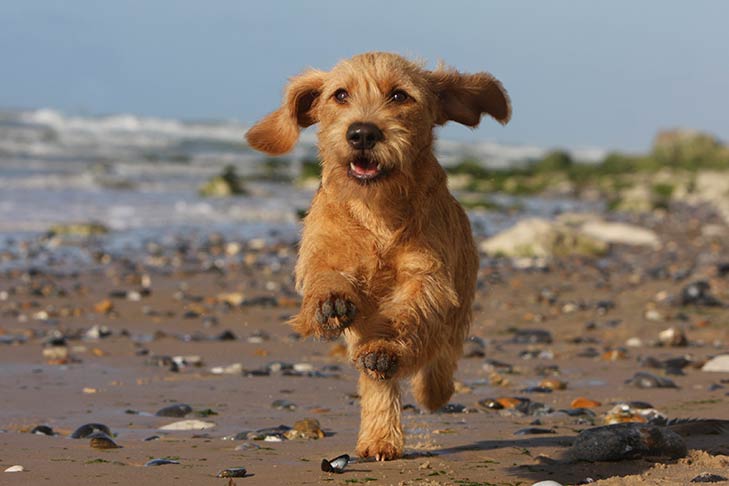
Basset Fauves are strong candidates for performance events. You can showcase their intelligence and skill in events like AKC Scent Work, obedience, agility, tracking, and more. While the breed is known to have a bit of an independent streak, they can find success in sports as long as they’re eager to participate.
They Have Low-Maintenance Coats
When it comes to grooming, Fauves are low maintenance, with “wash-and-wear” coats. The Fauve’s coarse, wiry double coat is resistant to matting and repels dirt. Some have longer coats than others, but you should groom a Fauve weekly, regardless of coat length. The best grooming practice is going through the coat using a fine-toothed comb, followed by a stiff brush. Fauves shed seasonally.
They Can Make Great Family Dogs
Fauves are probably best known as hunters, but they also make for excellent companions. Fauves are a breed that tends to form strong bonds with their families. They adore attention from their loved ones and are eager to spend time both in and outside their home. Snuggling up on the couch can make a Fauve just as happy as a day sniffing around fields.
Keeping a Watchful Eye

Fauves can make for good watchdogs. While they aren’t a particularly vocal breed, you can count on a Fauve to let you know about any unfamiliar sounds, people, or animals. They feel strongly connected to their families and will do everything they can to keep them safe.
Both Mental and Physical Attention Are Key
These intelligent, energetic dogs require both mental and physical exercise daily. Without proper stimulation, a Fauve may act out and display undesirable behaviors. Fauves love their time outdoors, so daily walks and playtime are paramount. Training a Fauve for sports like obedience and AKC Rally can be highly beneficial and keep their minds engaged while they’re physically active.
Basset Fauves Tend to Live Long Lives
The Basset Fauve de Bretagne is a relatively healthy breed. The most responsible breeders take measures to screen Fauves for potential health issues like progressive retinal atrophy, epilepsy, skin allergies, and age-related thyroid issues. These health complications tend to be rare, allowing most Fauves to live long, healthy lives. With proper care and nutrition, many Fauves can live to be 16 or older.